
The thought of a business conference or networking event can feel a bit overwhelming—or even outright terrifying—if you are neurodivergent or struggle with social anxiety. Between the sensory overload, the guessing game of social cues and the pressure to process information in a loud room, it’s a lot to take in.
If you choose to skip these events entirely, that is perfectly okay. However, if you want to give them a go, there is plenty you can do to make the experience manageable. Think of preparation as your best tool for reducing the overwhelm and finding your flow.
Before the Event
Scout the location Uncertainty is often where the anxiety creeps in. Use Google Maps to see what the building looks like and where the entrance is. For more detail, check AccessAble for interior photos. Knowing the ‘lay of the land’ beforehand can make walking through the door feel much easier.
Define your ‘why‘ What do you actually want to achieve? Is it learning from a presentation, meeting one specific person, or just catching up with existing contacts? Having a clear mission gives you an anchor when you’re feeling a bit adrift in a crowded room.
Identify your ‘anchor‘people Check the attendance list in advance. Is there someone you know from LinkedIn? A quick “looking forward to seeing you” message on social media can turn a complete stranger into a warm contact.
Plan to be comfortable
- Food: If you have specific sensory preferences or allergies, check the menu ahead of time. Don’t hesitate to bring your own snacks if that’s a better option for you.
- The escape plan: See if there’s a quiet room. If not, scout for a nearby park where you can decompress. A five-minute walk for fresh air could really help, too.
- Clothing: Most business events are fairly casual these days. Wear something that makes you feel professional but comfortable.
The graceful exit Business cards aren’t just for contact information—they can be a handy way to finish a conversation. If you’ve run out of steam, simply say: “It’s been great chatting; would you like one of my cards before I head off?”.
Give yourself time to rest before and after “When I have a networking event coming up I try to give myself quiet time for the half day/day before and half day/day after so that I don’t arrive already frazzled and don’t have to go straight from networking overwhelm into something else challenging.” Clare Jonas of www.thatthinkingfeeling.co.uk
During the Event
Take the pressure off The goal isn’t to close a sale; it’s just to make a connection so people remember you later. If you meet someone a bit pushy, remember you don’t have to stick around. A polite, “It’s been nice to chat, but I need to catch up with someone I know over there..” is all the permission you need to walk away.
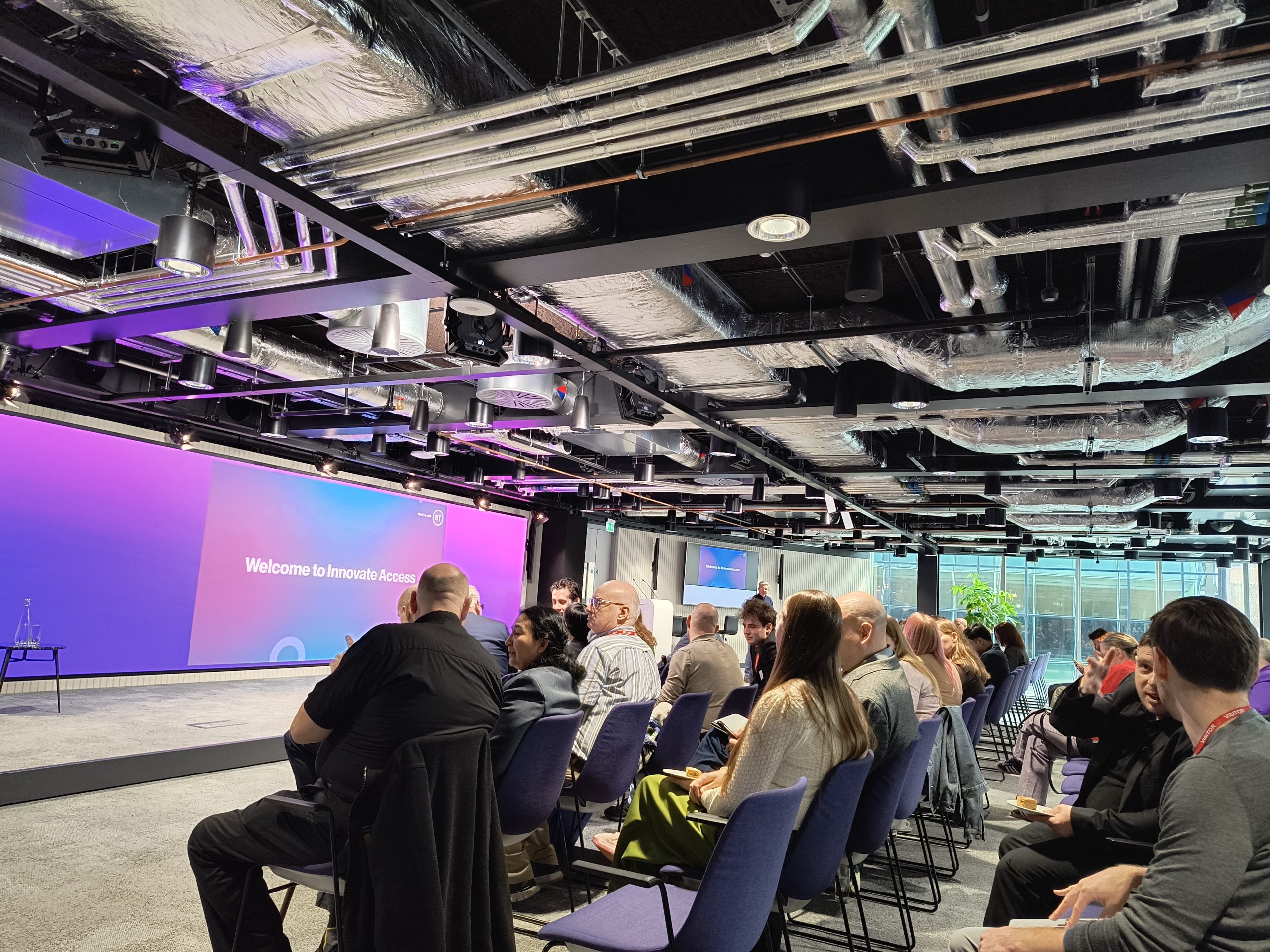
Capture the moment Take a photo of the venue. This gives you something to do with your hands and provides easy content for a follow-up post later.
Manage your energy If the noise is a bit much, retreat to a quiet corner for a few minutes.
After the Event
The magic often happens once you’re back home. If you didn’t speak to many people on the day, don’t worry—the follow-up is where you can shine from the comfort of your own sofa.
- Engage with organisers: Find the event’s posts on LinkedIn or Instagram. Thank them and mention one thing you learned.
- The ‘Nice to Meet You‘ DM or email: Send a quick message to the people you spoke with. If you discussed a specific topic, send them a relevant link.
- Slow-burn networking: Connect with new contacts and leave thoughtful comments on their posts over the coming weeks.
A Note on Online Networking
Online events can be a double-edged sword. While they can feel less intense that an in-person event, unstructured Zoom or Teams meetings can be tricky to navigate.
- Look for structure: Seek out events with a clear format. This prevents one person from dominating the conversation. Even better, look for an event hosted by an experienced facilitator (like me!) who can manage a range of personalities and prevent anyone from dominating the conversation.
- Communicate your needs: If you aren’t comfortable being called on, message the host beforehand. You can even provide a short written description of what you do for them to read out.
- Camera off or on?: If you’re having a high-anxiety day, it’s okay to keep the camera off because mental wellbeing comes first. But you can really can connect more effectively if people can see your expressions and gestures, so if you do feel able I recommend trying to keep the camera on, even if just for a short period.
Final Thoughts
Networking is a marathon, not a sprint. By preparing your environment and managing your energy, you can make these events work for you.
Next steps: Do you have a ‘survival tip’ for networking that I missed? Let me know, and I’ll add it to the list! Happy networking!
If you’d like help in planning or implementing your approach to networking, as well as any other aspects of freelancing as a neurodivergent person, please get in touch.